
Blockchain Explorers
Introduction
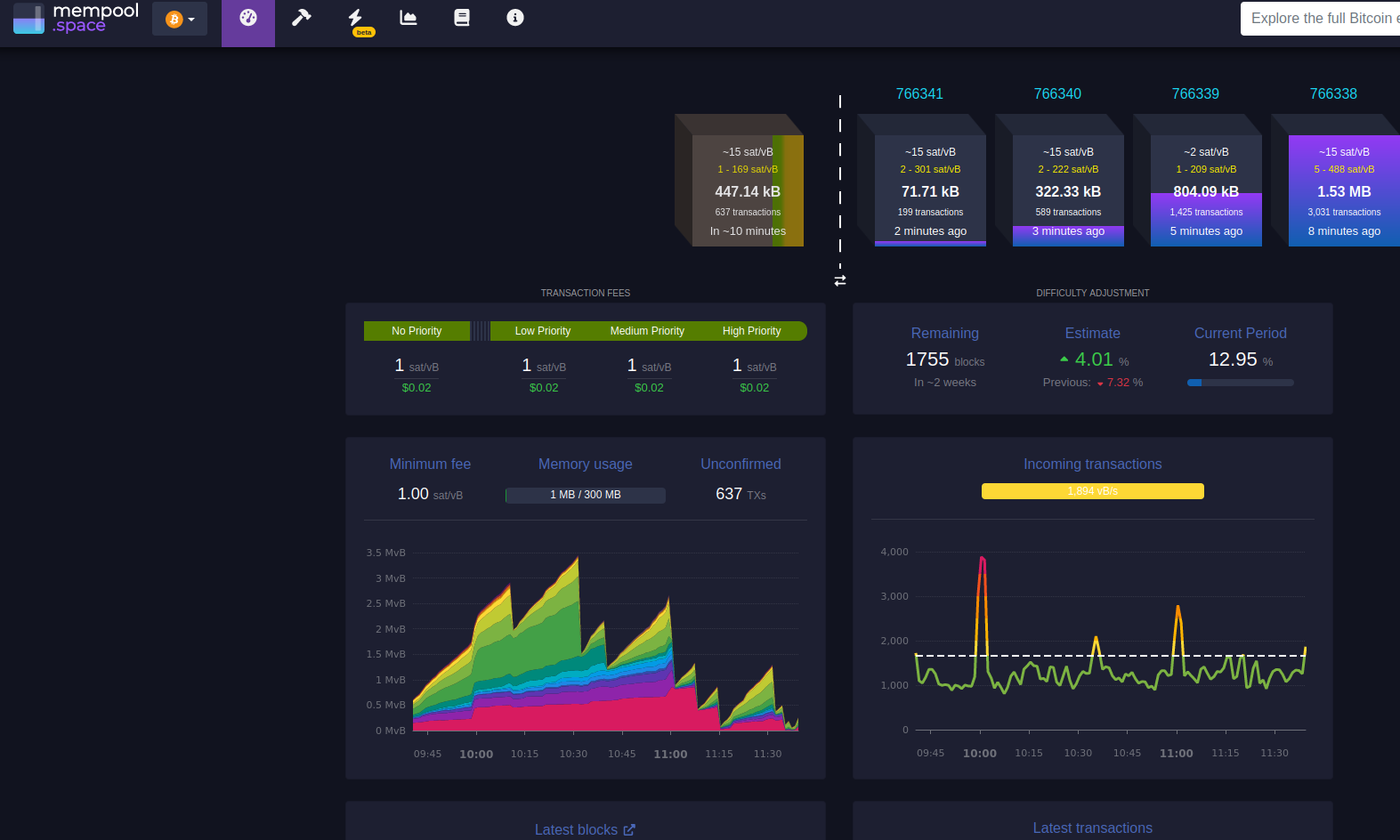
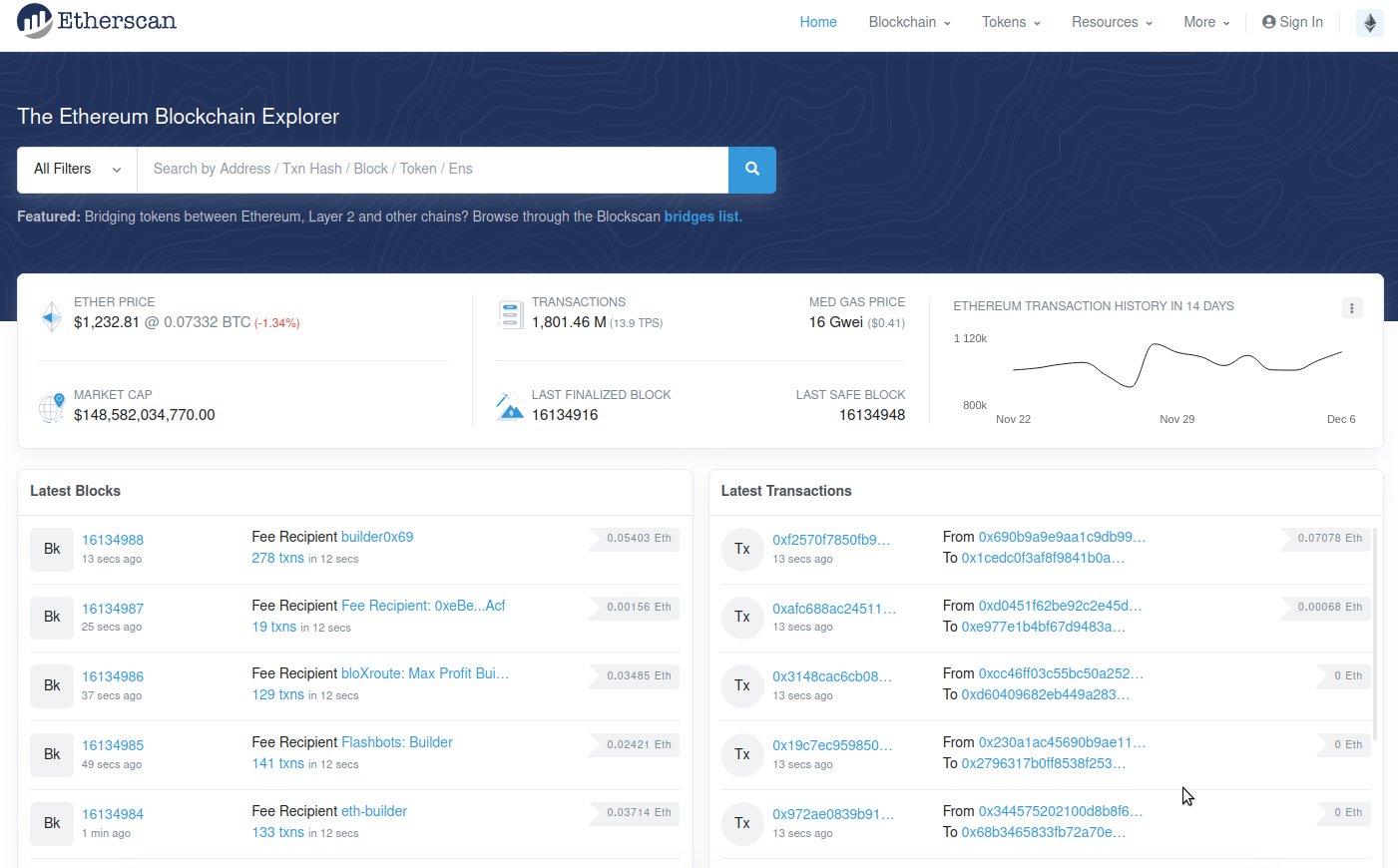
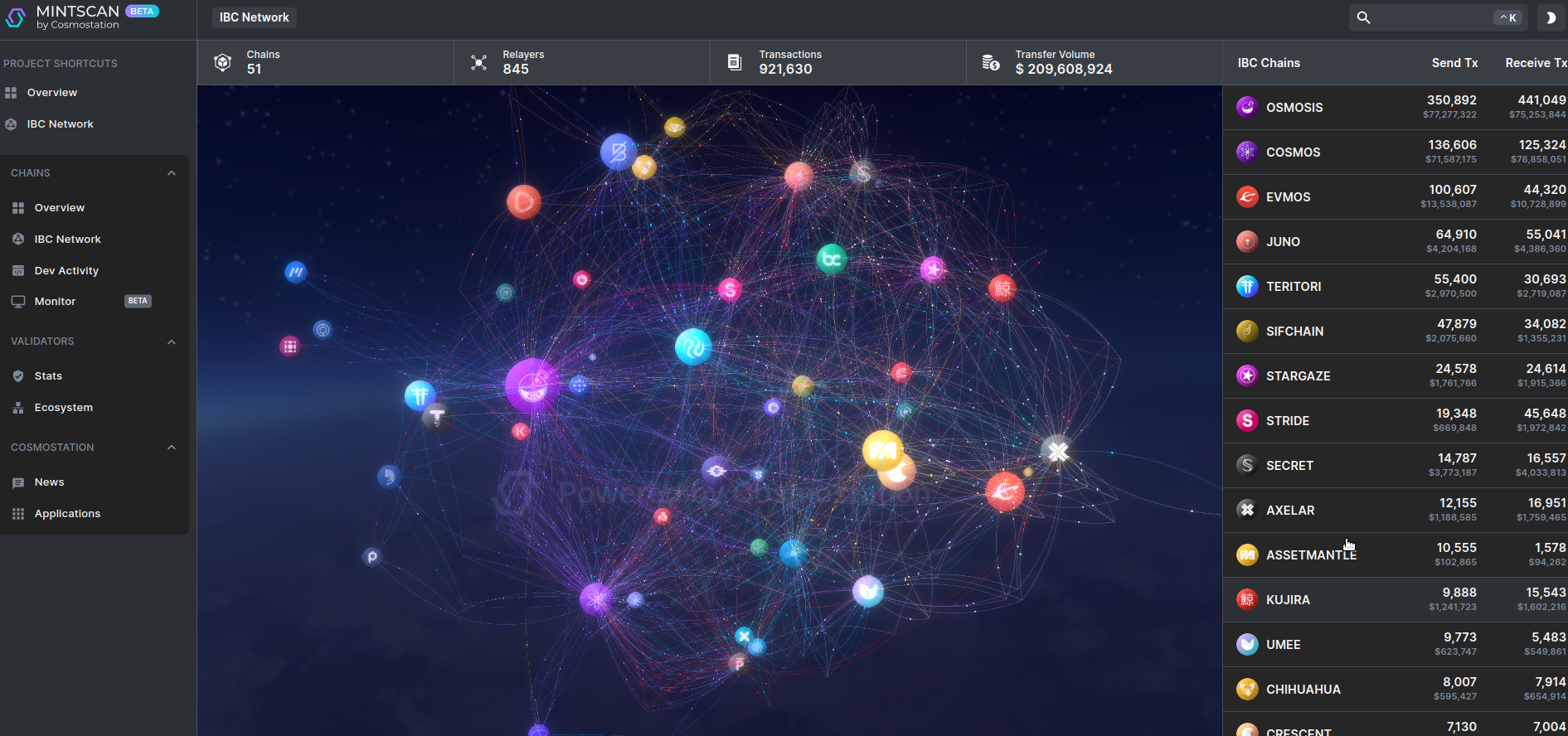
In the traditional business world every transaction includes a receipt for proof of purchase. Similarly, in the blockchain world a user receives a digital receipt in the form of a transaction id for every transaction completed. Most wallets will provide this for you. Blockchain explorers are simply tools that allow one to visualize what has already happened on a blockchain. They take for inputs: transaction id's, addresses, or block hashes, and visually output what took place.
Examples
-
Bitcoin: c839b44a7052393f4672cdc4ec79f8f15d3036565e13bede0fab91f674506a7c
-
Ethereum: 0x43117fc201f8d3c09a72d42ab4a048003f348917771b9ace64b8944a91807320
-
Cosmos: D0587C76E7689A9EFBDDA587DDB450F6C6E972FCEEA37DD8DA9AF95C23CF8170
-
Zcash (public): 8dd212847a97c5eb9cee5e7e58c4d9e739f4156273ae3b2da1a4ff79ad95ff82
-
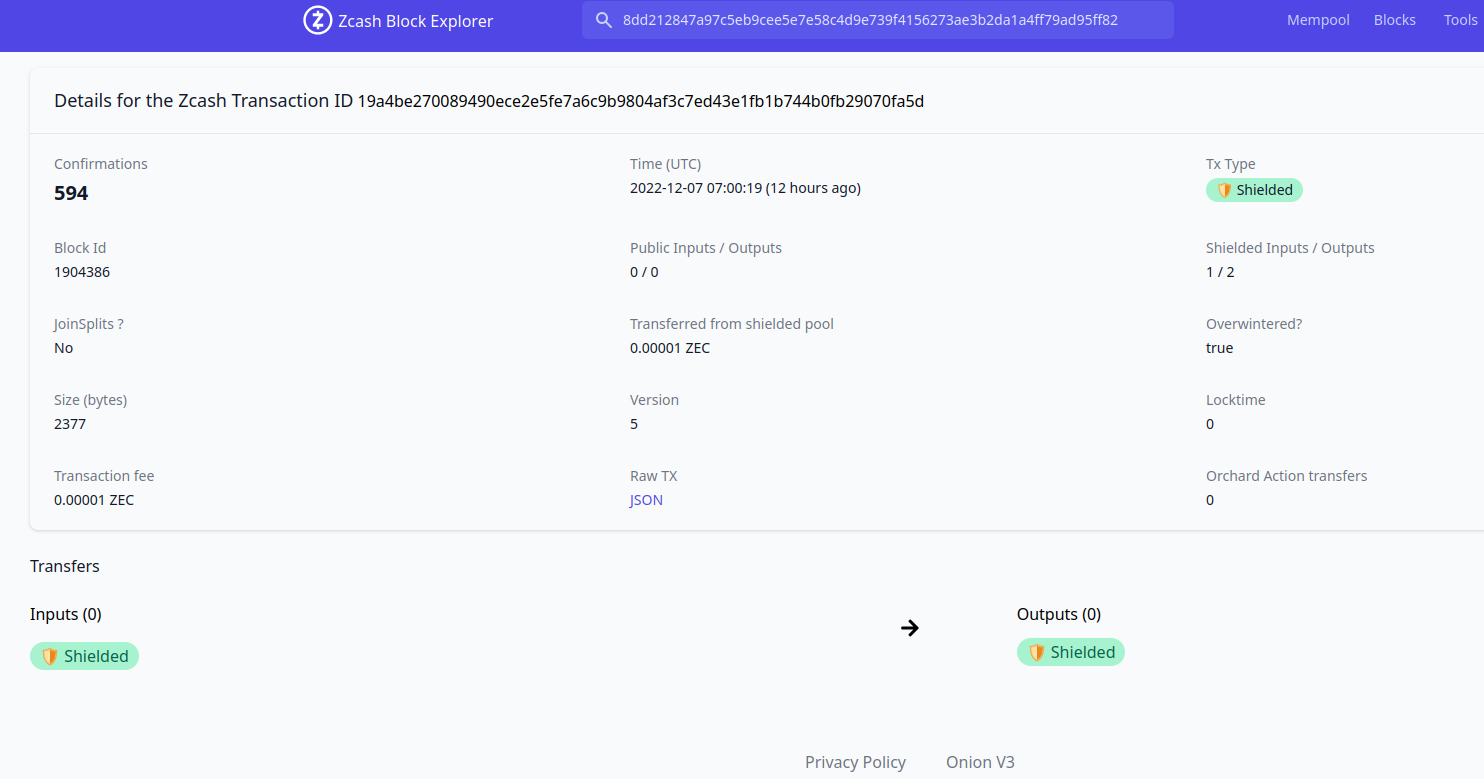
Zcash (private): 19a4be270089490ece2e5fe7a6c9b9804af3c7ed43e1fb1b744b0fb29070fa5d
Notice with Zcash how the second transaction has all important details hidden, this is important and has great implications in a digital world.
Blockchain Maps
So we have this long string of characters as a digital receipt, what now? This is where we use a , or map, to help us digest what happened on the blockchain. Notice how each chain has its own version of above. It's important to understand that all these blockchain projects are examples of open source software. That is, anyone can contribute to and or fork the code to their liking. With that understanding, each project specializes in different areas and customizes the blockchain explorer to fit the needs of said project.